
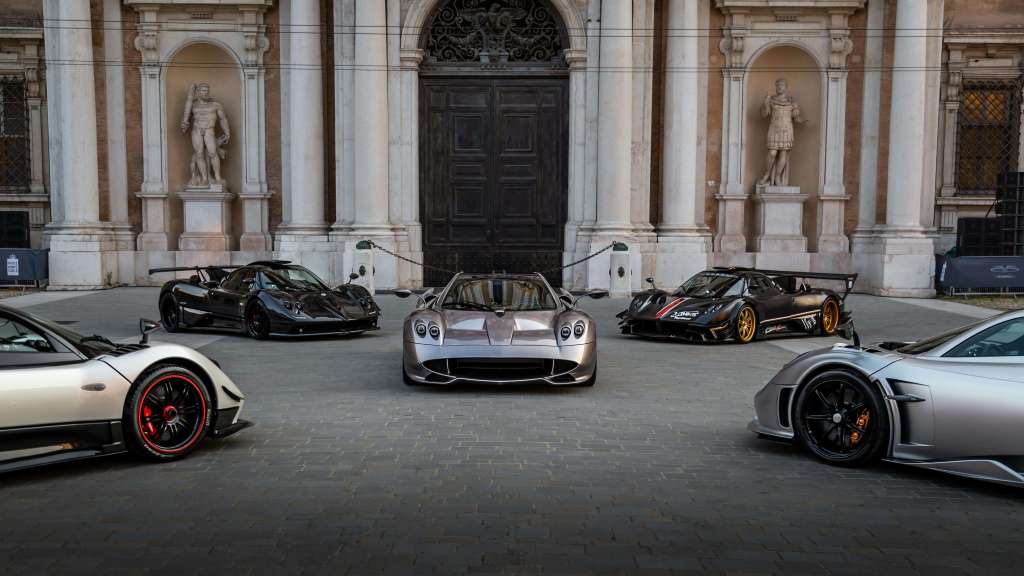
The automotive world is filled with high-performance vehicles that push the limits of speed, design, and engineering. Among them, supercars and hypercars stand out as the pinnacle of automotive excellence. But what exactly sets these two categories apart? In this article, we’ll break down the key differences between supercars and hypercars to help you understand their unique characteristics.
What Are Supercars?
Supercars are high-performance, road-legal sports cars that deliver exceptional speed, handling, and luxury. These vehicles are engineered to offer a thrilling driving experience while maintaining practical usability for everyday roads. Some defining characteristics of supercars include:
- Powerful Engines – Supercars typically feature high-output V8, V10, or V12 engines with horsepower ranging from 500 to over 800 hp.
- Exotic Design – Aerodynamic styling, aggressive lines, and lightweight materials such as carbon fiber make supercars both stylish and functional.
- Impressive Speed – Most supercars can accelerate from 0 to 60 mph in under 4 seconds and boast top speeds exceeding 200 mph.
- Advanced Technology – Supercars often incorporate cutting-edge features such as adaptive suspension, launch control, and high-performance braking systems.
- Luxury Elements – While focused on performance, supercars still offer premium interiors with high-end materials, touchscreen infotainment, and advanced driver-assist features.
Examples of Supercars:
- Ferrari 488 GTB
- Lamborghini Huracán
- McLaren 720S
- Porsche 911 Turbo S
What Are Hypercars?
Hypercars are an elite category of performance vehicles that surpass supercars in nearly every aspect. They are the ultimate expression of automotive engineering, combining extreme speed, cutting-edge technology, and unparalleled exclusivity. Here’s what makes a hypercar stand out:
- Unmatched Performance – Hypercars often exceed 1,000 horsepower, utilizing hybrid powertrains or fully electric propulsion systems to achieve mind-blowing acceleration and top speeds beyond 250 mph.
- Innovative Technology – These vehicles feature groundbreaking advancements such as active aerodynamics, regenerative braking, and lightweight carbon-fiber monocoque structures.
- Limited Production – Unlike supercars, hypercars are produced in very limited numbers, making them rare and highly collectible.
- Sky-High Prices – Hypercars command multi-million-dollar price tags, reflecting their exclusivity and cutting-edge development.
- Track-Ready Performance – While road-legal, hypercars are designed with track-level capabilities, often incorporating Formula 1-inspired aerodynamics and hybrid systems.
Examples of Hypercars:
- Bugatti Chiron
- Koenigsegg Jesko
- McLaren Speedtail
- Rimac Nevera
Key Differences Between Supercars and Hypercars
| Feature | Supercars | Hypercars |
|---|---|---|
| Horsepower | 500-800+ HP | 1,000+ HP |
| Top Speed | 180-220 mph | 250+ mph |
| Technology | Advanced but practical features | Cutting-edge innovations |
| Production Numbers | Higher production, readily available | Extremely limited production |
| Price | $150,000 – $500,000 | $1 million+ |
Final Thoughts
While both supercars and hypercars offer unparalleled performance and prestige, hypercars take everything to the extreme. If a supercar is a masterpiece of engineering, a hypercar is a technological revolution. Whether you dream of owning a Ferrari 488 GTB or a Bugatti Chiron, one thing is certain—both categories represent the peak of automotive excellence.
Supercars and hypercars continue to push the boundaries of speed, design, and innovation, ensuring that car enthusiasts always have something to aspire to. Which one would you choose?
 revvedups.car.blog
Leave a comment