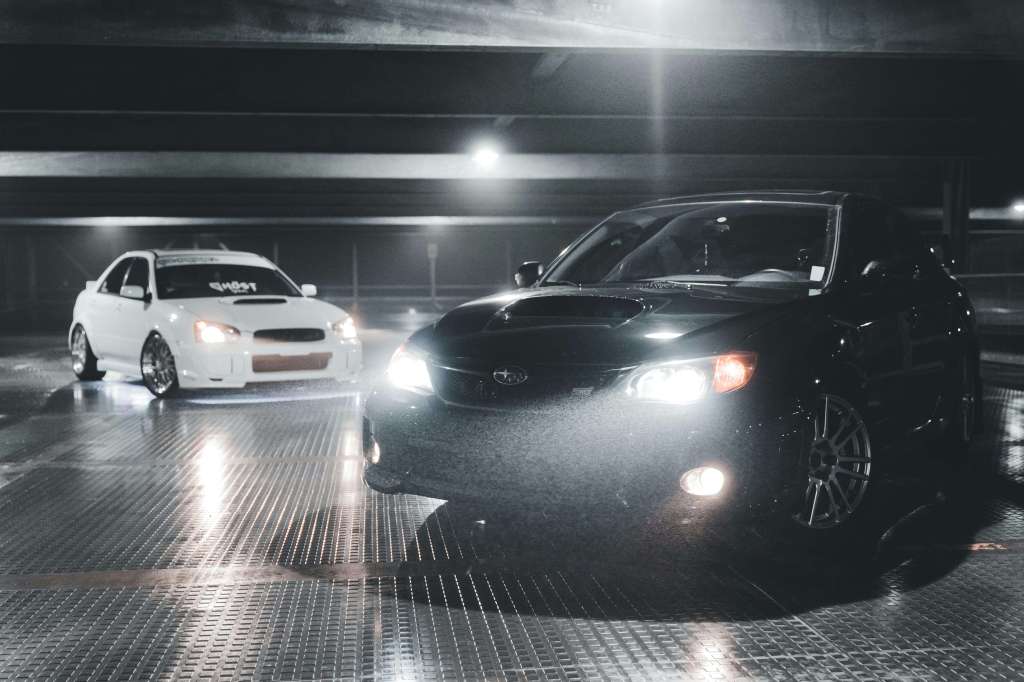
Street racing has long been a part of automotive culture, evolving from illegal late-night competitions to an organized and influential force in the motorsports world. While it has a reputation for being dangerous and reckless, street racing has also shaped the performance car industry, tuning culture, and even professional racing events. This article explores the origins, growth, and modern-day impact of street racing.
The Origins of Street Racing
Street racing dates back to the early 20th century when car enthusiasts sought ways to push their vehicles to the limit. In post-World War II America, returning soldiers, who had gained mechanical skills during the war, began modifying cars for speed. This led to the rise of “hot rods,” which were raced on deserted roads and dry lake beds. By the 1950s and 1960s, street racing had become an underground phenomenon, particularly in cities like Los Angeles and Detroit.
The Rise of Street Racing in Popular Culture
The 1990s and early 2000s saw an explosion of street racing culture, thanks in part to movies, video games, and music that romanticized the scene. Films like The Fast and the Furious franchise brought global attention to underground racing, highlighting car customization, nitrous oxide boosts, and high-speed chases. Video games such as Need for Speed allowed fans to virtually participate in illegal races, further fueling interest in the culture.
The Influence on Car Modification and Tuning
One of the biggest legacies of street racing is its impact on car modifications and tuning. Performance upgrades such as turbocharging, engine swaps, suspension tuning, and aerodynamic kits became popular among enthusiasts looking to gain an edge in races. JDM (Japanese Domestic Market) cars, including models like the Nissan Skyline GT-R, Toyota Supra, and Honda Civic Type R, became icons of street racing due to their tunability and performance potential.
From Illegal to Organized Racing
Over time, law enforcement cracked down on illegal street racing due to the dangers it posed to both participants and the public. This led to the emergence of legal alternatives such as:
- Drag Strips – Offering a controlled environment for racers to test their speed legally.
- Time Attack Events – Competitions focused on setting the fastest lap times.
- Drift Competitions – Inspired by street drifting, these events turned into professional series like Formula Drift.
- Street-Legal Racing Leagues – Some cities established sanctioned events where racers could safely compete on closed roads or tracks.
Modern Street Racing: Risks and Controversies
Despite the evolution of legal alternatives, illegal street racing still exists and remains controversial. Cities continue to see unsanctioned races, leading to accidents, legal consequences, and public safety concerns. Many governments have implemented strict penalties, vehicle impoundment laws, and specialized task forces to curb the problem.
The Future of Street Racing Culture
While illegal street racing may never completely disappear, the future of the culture is shifting toward legal motorsports and digital communities. Online simulators, esports racing, and virtual reality experiences are providing safer ways to enjoy high-speed thrills. Additionally, the rise of electric performance cars, such as the Tesla Model S Plaid and Rimac Nevera, is pushing the boundaries of speed and redefining what street racers may seek in the future.
Conclusion
Street racing culture has played a significant role in shaping the automotive world, influencing everything from car design to professional motorsports. While the underground scene still exists, more enthusiasts are turning to legal avenues to express their love for speed. Whether through tuning shops, race tracks, or online racing simulations, the spirit of street racing continues to evolve in new and exciting ways.
 revvedups.car.blog
Leave a comment