
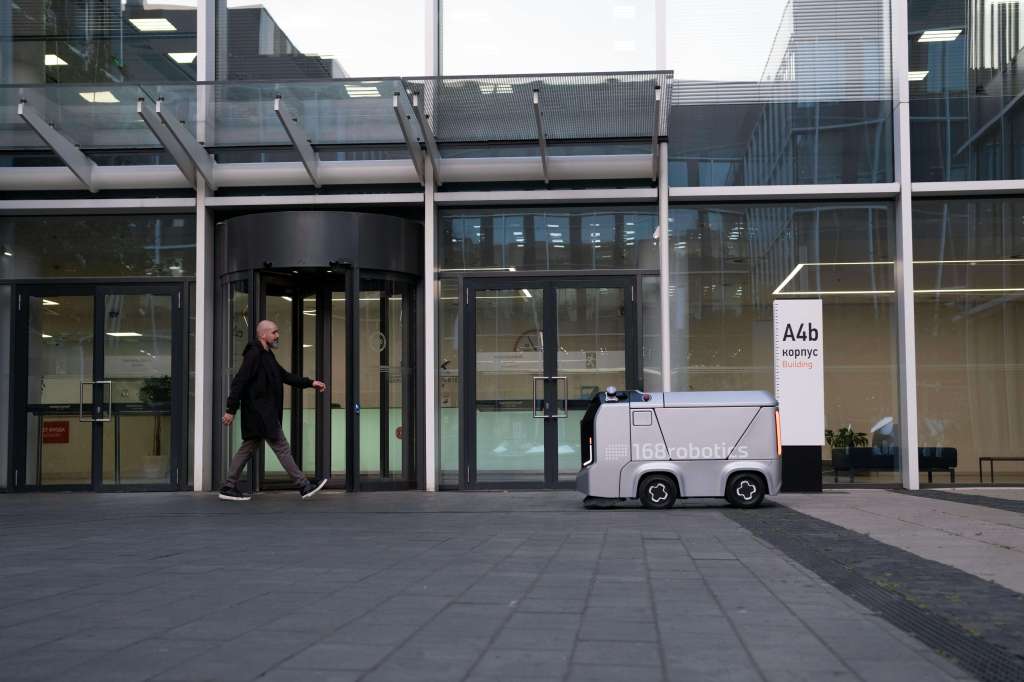
The automotive industry is undergoing a massive transformation with the rise of autonomous driving technology. Artificial intelligence (AI) is at the forefront of this evolution, reshaping the way cars operate and how people experience transportation. From self-driving capabilities to enhanced safety features, AI-powered vehicles are set to revolutionize mobility. In this article, we explore the latest advancements in autonomous driving and the impact AI has on the future of transportation.
Levels of Autonomous Driving
Autonomous vehicles are categorized into six levels based on their ability to drive without human intervention:
- Level 0 (No Automation): The driver controls all aspects of the vehicle.
- Level 1 (Driver Assistance): Basic systems like adaptive cruise control assist the driver but do not take full control.
- Level 2 (Partial Automation): The car can handle steering and acceleration in specific conditions but requires human supervision.
- Level 3 (Conditional Automation): The vehicle can drive itself in certain environments but may need human intervention.
- Level 4 (High Automation): The car operates autonomously in most conditions, but a driver can take over if needed.
- Level 5 (Full Automation): No human intervention is required; the vehicle operates entirely on its own.
Key AI Technologies Powering Autonomous Cars
AI plays a crucial role in the development of self-driving vehicles. The following technologies drive this innovation:
- Machine Learning & Neural Networks: AI processes massive amounts of data to improve decision-making and adapt to various driving conditions.
- LiDAR and Computer Vision: Advanced sensors detect objects, road signs, and pedestrians to navigate the road safely.
- Real-Time Data Processing: AI-powered cars analyze traffic, weather, and road conditions instantly to make accurate driving decisions.
- V2X Communication: Vehicle-to-Everything (V2X) technology enables cars to communicate with other vehicles, traffic lights, and infrastructure for better coordination.
- Predictive Analytics: AI anticipates potential hazards and adjusts driving patterns to prevent accidents.
Benefits of AI in Autonomous Driving
Self-driving technology offers numerous advantages that will shape the future of transportation:
- Enhanced Safety: AI-powered vehicles reduce human errors, which account for over 90% of accidents.
- Improved Traffic Flow: Smart navigation and real-time route optimization reduce congestion and travel time.
- Increased Mobility: Autonomous cars provide accessibility for individuals with disabilities or those unable to drive.
- Fuel Efficiency: AI-driven vehicles optimize speed and braking, leading to better fuel economy and lower emissions.
- Convenience: Self-driving cars free up time for passengers, allowing them to work, relax, or engage in other activities.
Challenges and Concerns
Despite the promising future of autonomous driving, several challenges must be addressed before full adoption:
- Regulatory and Legal Issues: Governments must establish clear regulations and safety standards for self-driving vehicles.
- Cybersecurity Risks: Autonomous cars rely on connectivity, making them vulnerable to hacking and cyber threats.
- Public Trust and Acceptance: Many consumers remain skeptical about the reliability and safety of AI-driven cars.
- High Development Costs: The technology requires significant investments in AI, infrastructure, and testing.
The Road Ahead
As AI continues to advance, autonomous driving will become more sophisticated and widely adopted. Major companies like Tesla, Waymo, and Mercedes-Benz are investing heavily in self-driving technology, bringing us closer to a future where autonomous cars are a mainstream reality.
The future of autonomous driving promises safer, more efficient, and accessible transportation. However, overcoming technological, regulatory, and societal challenges will be key to making this vision a reality. With ongoing innovations, AI-driven cars will soon become an integral part of everyday life, redefining mobility for generations to come.
 revvedups.car.blog
Leave a comment