
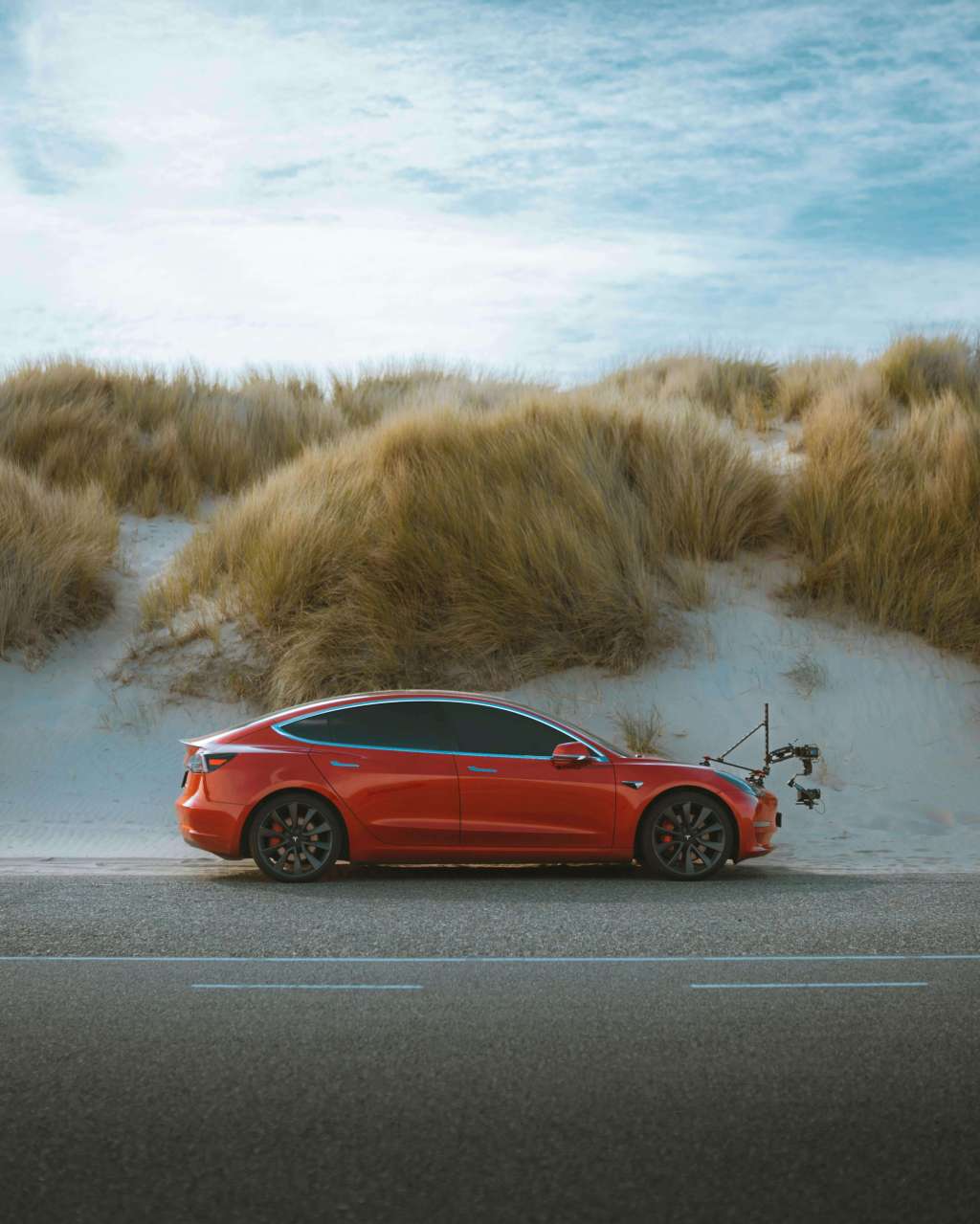
The ongoing debate between electric vehicles (EVs) and gasoline-powered cars continues to heat up as automotive technology evolves. Both options come with their own set of advantages and drawbacks, making it crucial for consumers to understand which best suits their driving needs. In this article, we compare EVs and gas-powered cars in terms of performance, efficiency, cost, and overall driving experience.
Performance: Speed and Handling
When it comes to raw performance, both electric and gas-powered vehicles have their strengths.
- Electric Vehicles (EVs): EVs are known for their instant torque, delivering rapid acceleration without delay. High-performance EVs like the Tesla Model S Plaid can go from 0 to 60 mph in under two seconds, rivaling even the fastest supercars. EVs also have a lower center of gravity due to battery placement, which enhances handling and stability.
- Gasoline Cars: Traditional gas-powered cars, particularly sports models, are built for high-speed endurance and top performance over long distances. Vehicles like the Porsche 911 Turbo S provide excellent throttle response, controlled power delivery, and a familiar driving feel that many enthusiasts love.
Efficiency and Environmental Impact
One of the biggest factors influencing car buyers today is fuel efficiency and environmental impact.
- Electric Vehicles: EVs are significantly more energy-efficient, converting about 80% of their stored energy into motion. Since they produce zero tailpipe emissions, they contribute to reducing air pollution and dependence on fossil fuels. However, battery production and electricity generation still have some environmental impact.
- Gasoline Cars: Gas-powered vehicles are generally less efficient, with an internal combustion engine converting only about 20-30% of energy into motion. They produce carbon emissions that contribute to climate change and require fossil fuels, making them less sustainable in the long run.
Cost: Upfront Price and Long-Term Expenses
Cost plays a major role in deciding between an EV and a gas-powered car.
- Initial Purchase Price: EVs often come with a higher upfront cost due to expensive battery technology. However, federal and state incentives can help offset the price. Gasoline cars tend to have a lower initial cost, making them more accessible.
- Maintenance Costs: EVs require less maintenance since they have fewer moving parts—no oil changes, fewer brake replacements, and minimal engine upkeep. Gasoline cars have higher maintenance expenses due to wear and tear on their engines, transmissions, and other mechanical components.
- Fueling Costs: Charging an EV is generally cheaper per mile compared to refueling a gasoline car. However, charging time and infrastructure availability may be concerns for some drivers.
Convenience and Driving Experience
Driving experience is subjective and depends on personal preference.
- EVs: Electric cars offer a quiet, smooth ride with minimal vibrations. They also feature regenerative braking, which helps improve energy efficiency. However, range anxiety and charging infrastructure can still be limiting factors for long-distance travel.
- Gasoline Cars: Gas-powered vehicles offer longer driving ranges with the convenience of refueling in minutes at any gas station. For those who enjoy the roar of an engine and the traditional driving experience, gasoline cars still hold appeal.
Conclusion: Which is the Better Choice?
The choice between an electric and gasoline car depends on individual needs and priorities:
- If you prioritize instant acceleration, lower emissions, and lower long-term costs, an EV is the way to go.
- If you prefer longer range, fast refueling, and a traditional driving feel, a gas-powered car might be the better fit.
As charging infrastructure continues to improve and battery technology advances, EVs are expected to become the dominant choice in the future. However, gasoline cars still provide advantages for long-distance travelers and performance enthusiasts. Ultimately, the best driving experience comes down to what suits your lifestyle best.
 revvedups.car.blog
Leave a comment